
Finding & Learning from a Mentor
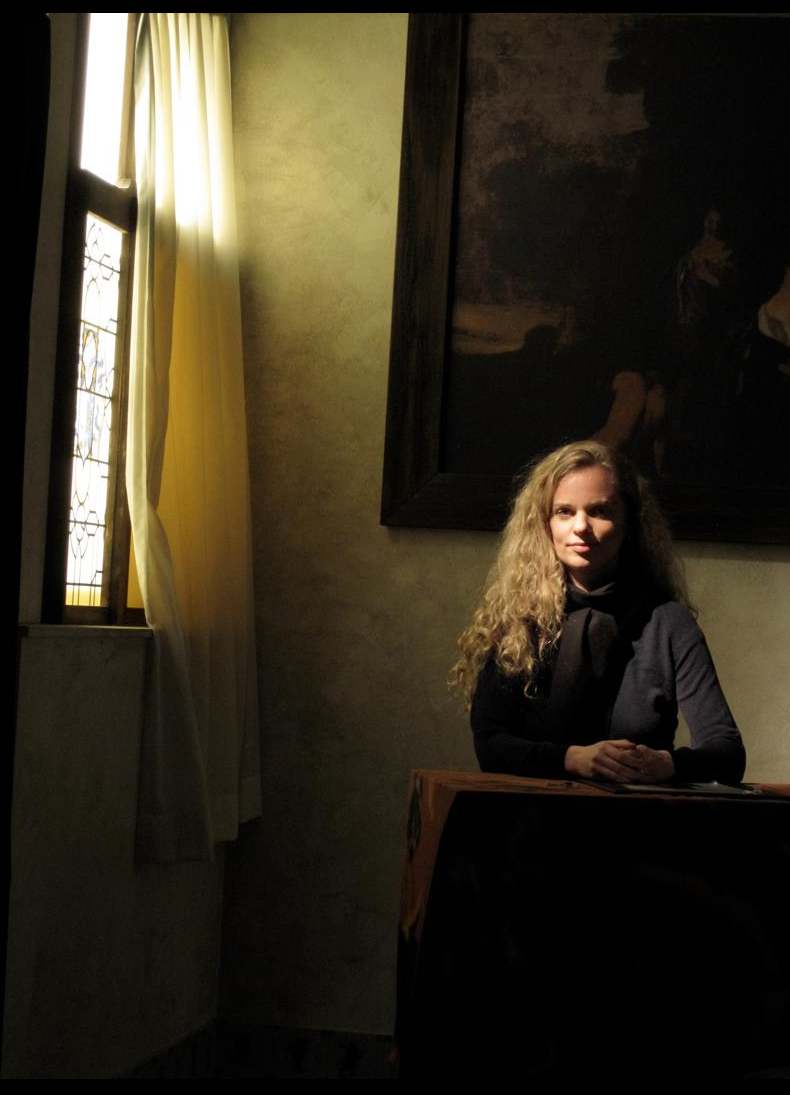
Photo by Alejandro Szita
Every time I get into a field of art, my first instinct has always been to find a mentor. A mentor is important if you’re planning to actually make your art available to people in the real world. Because it is not just about the techniques of making good art—it is also about how you package it, how you talk to people about it, how you keep yourself going; and a million other small things that only someone who is truly experienced in the practical business of being an artist could know.
And of course, you can have more than one mentor. There are many people you can learn from in different ways. Sometimes one person is very good at one particular thing you’re interested in, whereas another person is good at something totally different.
In my experience, finding a mentor follows a few rules:
Find someone whose work you admire (don’t just follow their work or advice because they’re famous, etc.)
Ffind someone who has actually succeeded in what you’re interested in learning about, even if they've just succeeded in that aspect alone (e.g. if they’re very good technically but are bad at sales, listen to them when they talk about technique, but not when they talk about sales)
Find someone who has become so satisfied with their own success that they are now entering the game of teaching others (and that usually means people who are a little older). Unless the person has an antisocial personality, I have found that once someone is truly satisfied with their success and feels that they have achieved everything they set out to achieve in their career, they start wanting to pass that skill onto younger people. Some people never get to that point. But some people do, and that’s when it is best to approach them.
After you find the person you would like to have as a mentor, there are some things to keep in mind in starting and continuing the relationship:
Tell them that you admire their work and float the idea that you would like to learn from them. Whenever possible, do that in person. Ask to visit them (for example by writing them a letter). They will often agree if you say that you are a (young) artist looking for advice. During the visit, spend some time admiring and asking about their work, show your work, ask intelligent questions, and then toward the end of that visit, bring up the possibility of learning from them.
Make sure that there is some kind of exchange in this relationship. That means paying them if necessary. If the person is a professional artist and you do not have a relationship to them otherwise (i.e. they are not a family member), paying to learn is appropriate. Whatever the relationship is, make sure that the mentor is getting what they want out of it as well. Usually what they want at the very minimum is a student who actually listens to what they have to say, learns from it and makes visible progress. This then becomes part of their legacy when they are no longer around.
When they provide advice, listen carefully and do not interrupt them while they speak. If they have comments (such as corrections of your work) that you don’t agree with, acknowledge, thank them, and file it away to either do something with later or ignore. Take the advice that seems useful to you and run with that. Ignore the rest. But DO NOT argue with the advice or defensively justify yourself. There is nothing mentors hate more than students who do not actually appreciate their advice. If you get to a point where you no longer feel you are learning anything from what the mentor has to offer.
If a mentor has helped you improve in some area, credit them wherever you can. Crediting a mentor speaks well of you to others and it also helps cement the mentor’s reputation in the community; this is one of the ways you can exchange with them in addition to money.
Thank your mentor regularly. Practical knowledge in the arts is hard-won and valuable. Sometimes it is priceless.
If you do move on (perhaps because you are moving to a different area as part of your growing career), be sure to thank them profusely, honor them in some special way, and stay in touch. You never know when you may have a question later that they will be the perfect person to answer, or you may want to invite them to collaborate with you on a future project. They may also need something from you later on. You can never have enough heartfelt connections in the arts.
My mentors have included the bass player Henry Franklin, the pianist Gary Matsumoto, the music producer and sound engineer Nolan Shaheed, the illustrator Eke van Mansvelt and the businesswoman Gwen van der Bijl.
There have been others too.
I am grateful to all of them.