AI & Art—Predictions & What Artists Can Do About It
We’ve all been hearing about the vast number of ways that AI will supposedly influence our daily lives in the very near future. How vast the changes will be remains to be seen, but the fact that there will be changes seems to be certain.
No one is disputing that technological advances COULD do a lot of good for society. But now it seems that we are entering a whole new phase, a phase where it seems like the human element is almost becoming obsolete in our own world. Or is it?
Before we take a look at projections for the future and we could potentially do about it, let’s take a look at the fact that this is not the first time that sweeping technological changes have taken place in society. Think for example about the major consequences of the Industrial Revolution in the 19th century. The invention of machinery, along with other factors, caused a major shift from farm work to factory work. Before the Industrial Era, about 90% of people worked in agriculture. In the US to take one example, by 1900 that percentage dropped to 40%, and by 1950 it dropped to 10%. Today, only 2% of people in the US work in agriculture according to online figures.
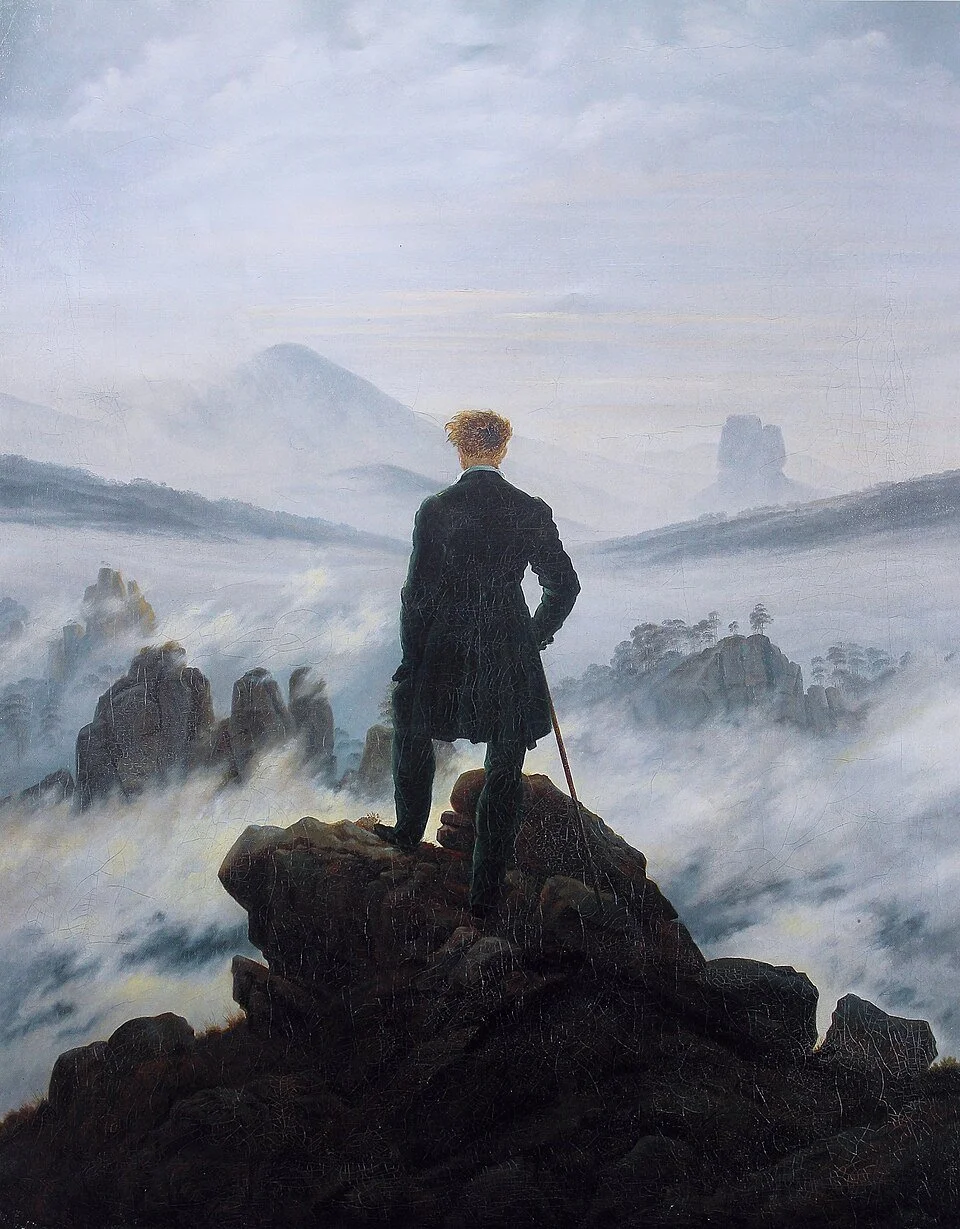
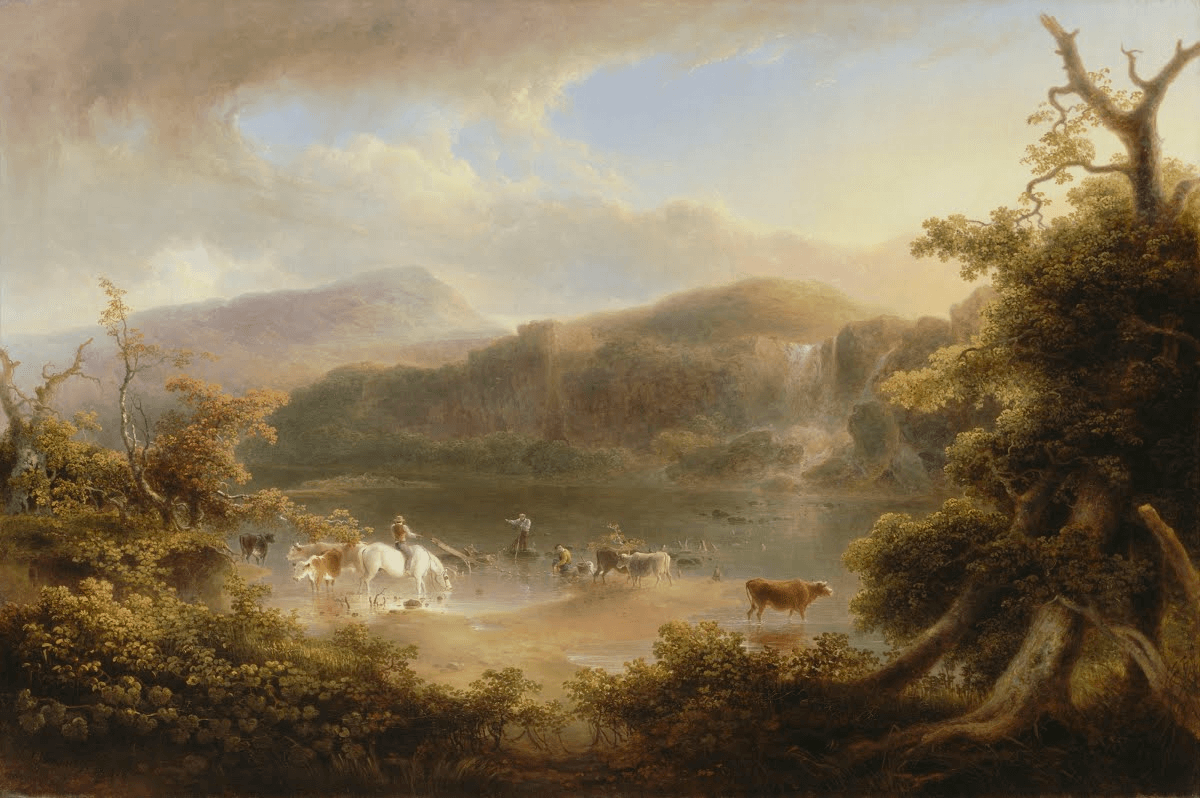
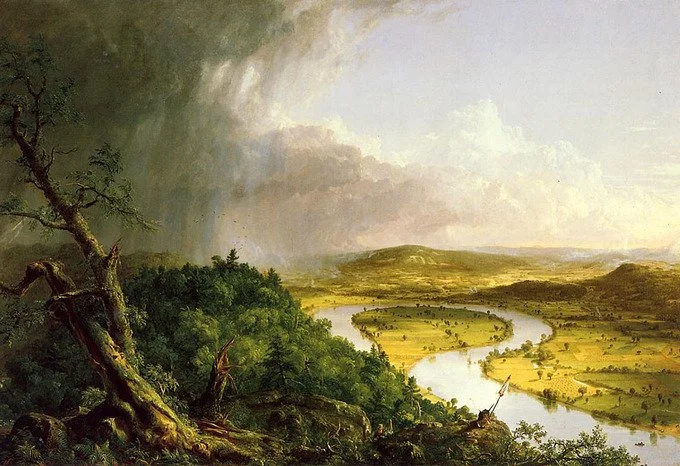
Artistically, the reactions consisted first of Romanticism (in the early 19th century), a movement that was against industrial eyesores, emphasizing nature, emotion, individualism, and the sublime to find solace from urban pollution and mechanization. Examples below.
Then, in the mid 19th century there was Realism, which depicted the harsh realities of urban life, factory workers and other elements that the industrialization had brought. Examples as follows:
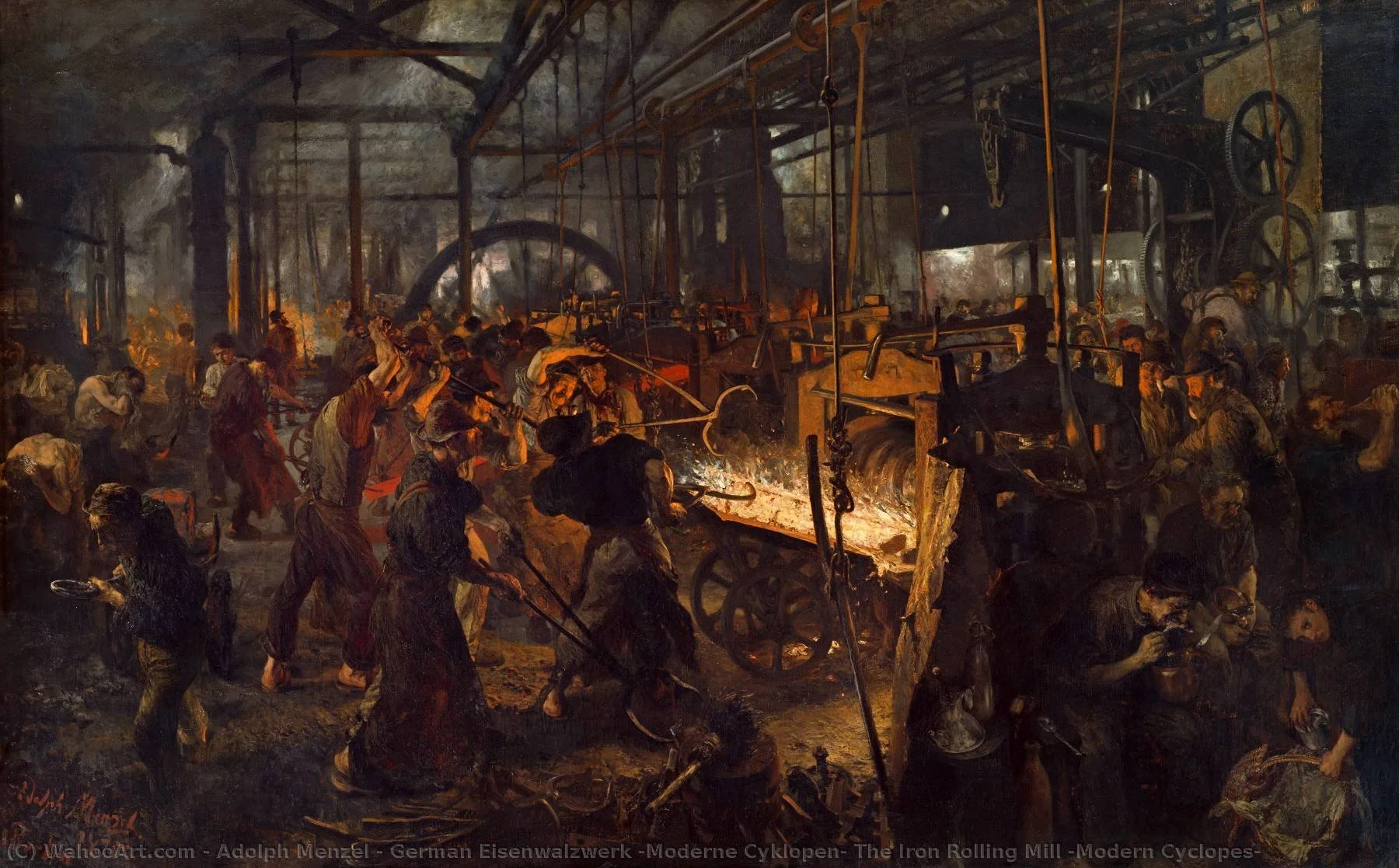

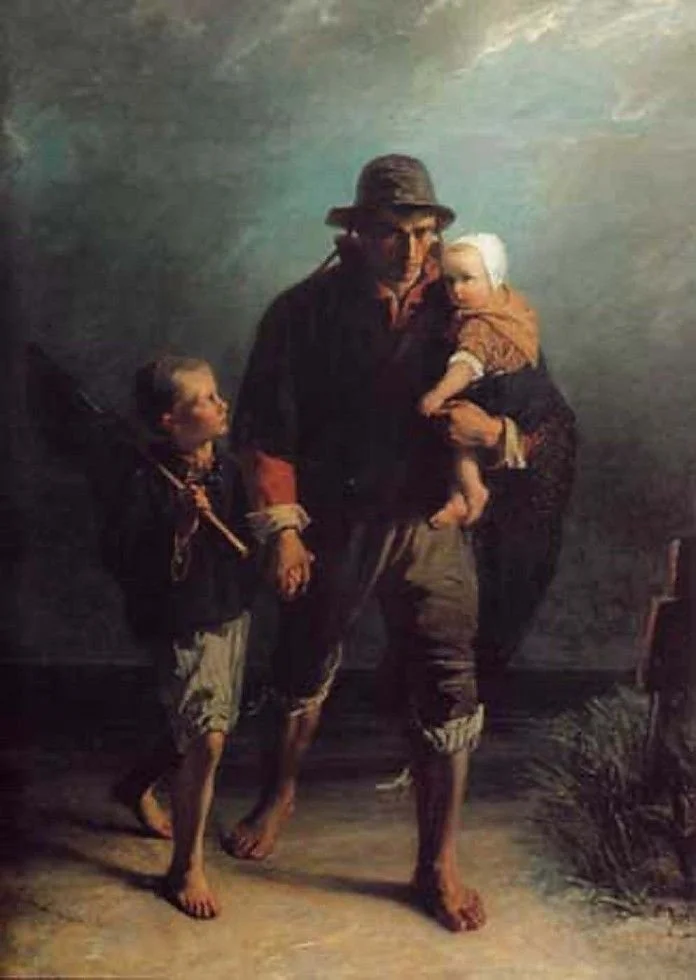
Toward the latter part of the 1800s, additional movements arose:
The Pre-Raphaelite Brotherhood sought to bypass “classical” art and principles as they were being taught in art academies of the time altogether, by which they meant geometric composition and what they considered “stiff” poses (inspired by those of Greek and Roman Antiquity, hence “classical”). They wanted to go back to the art of the late Middle Ages and early Italian Renaissance of the 1400s. Particularly, they wanted to go back to the art that was being made prior to the Italian painter and architect Rafael (1483-1520). The type of art they advocated was Medieval-inspired, emphasized nature and had vibrant colors (as indeed found in Medieval art and architecture).
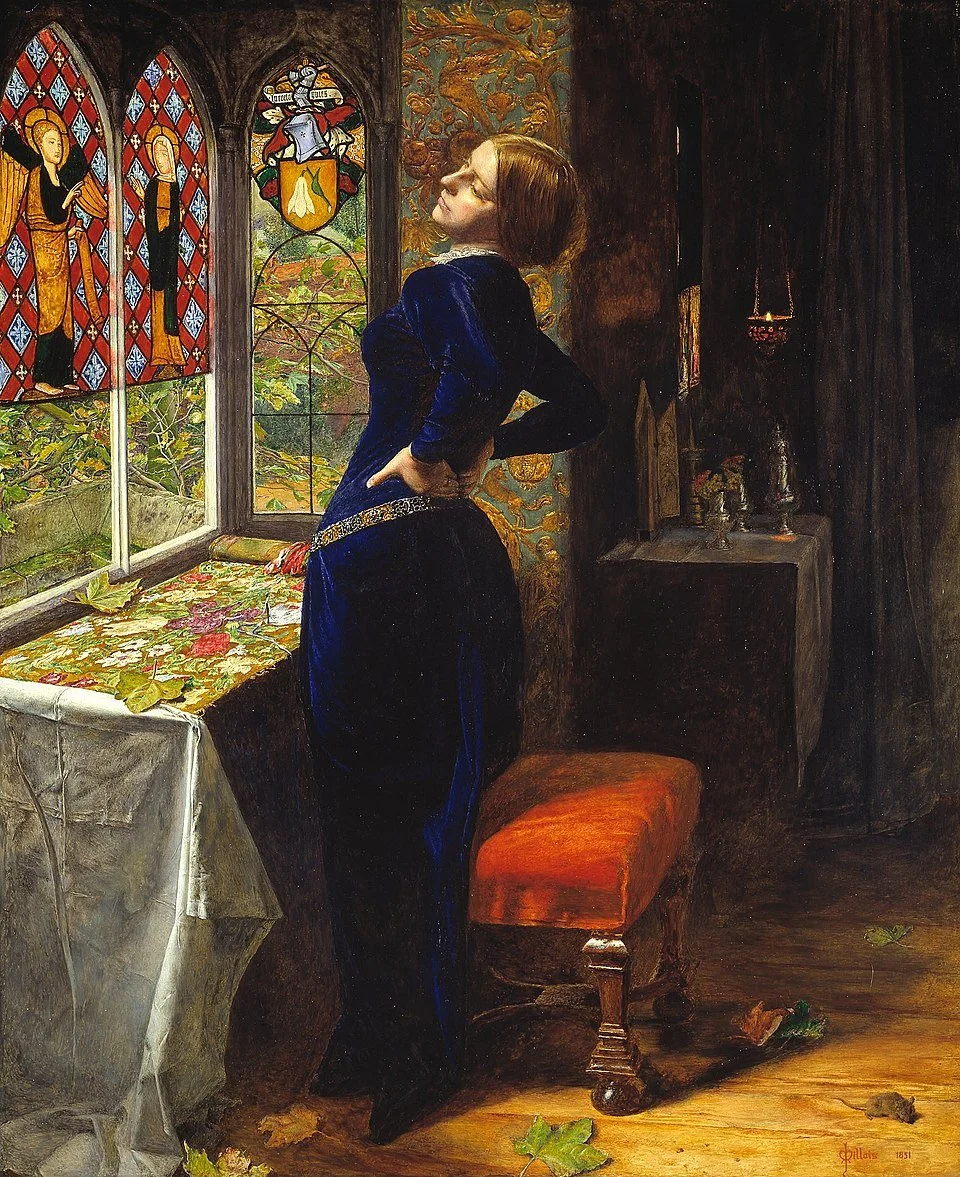
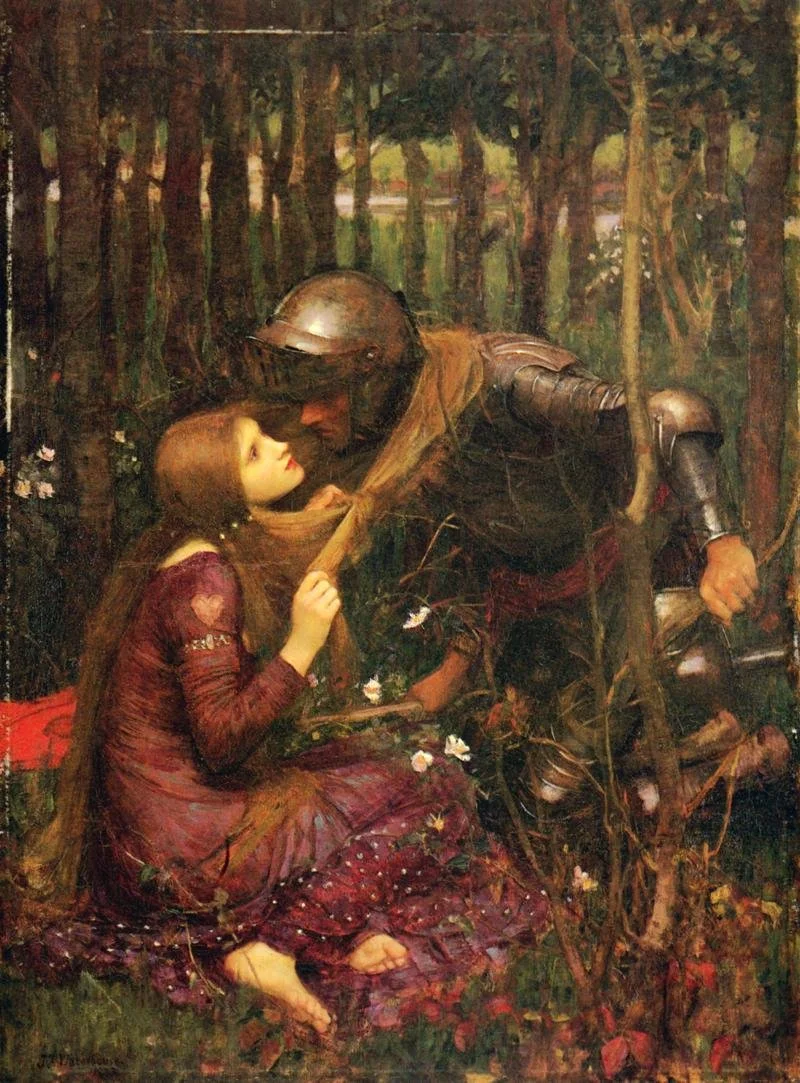
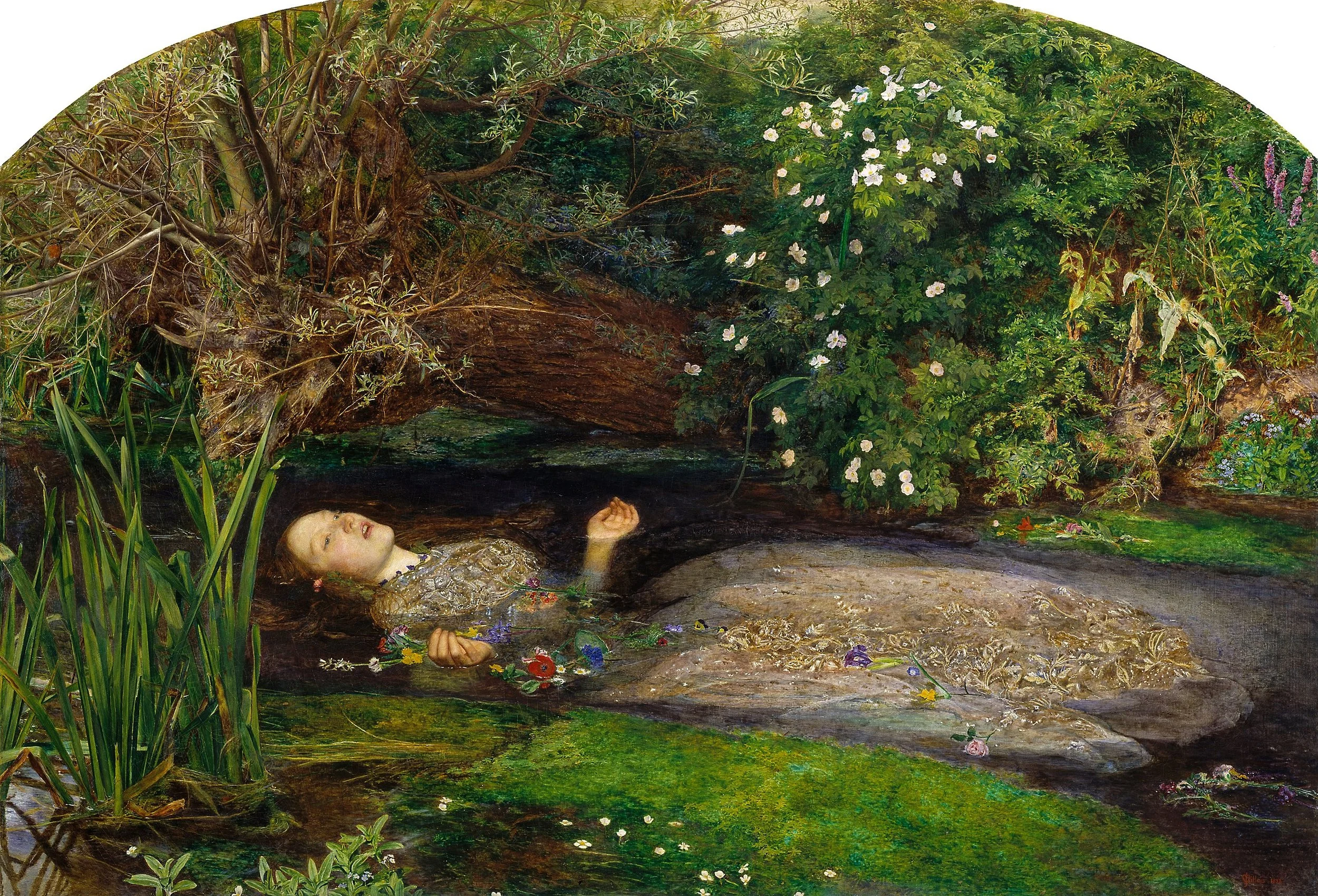
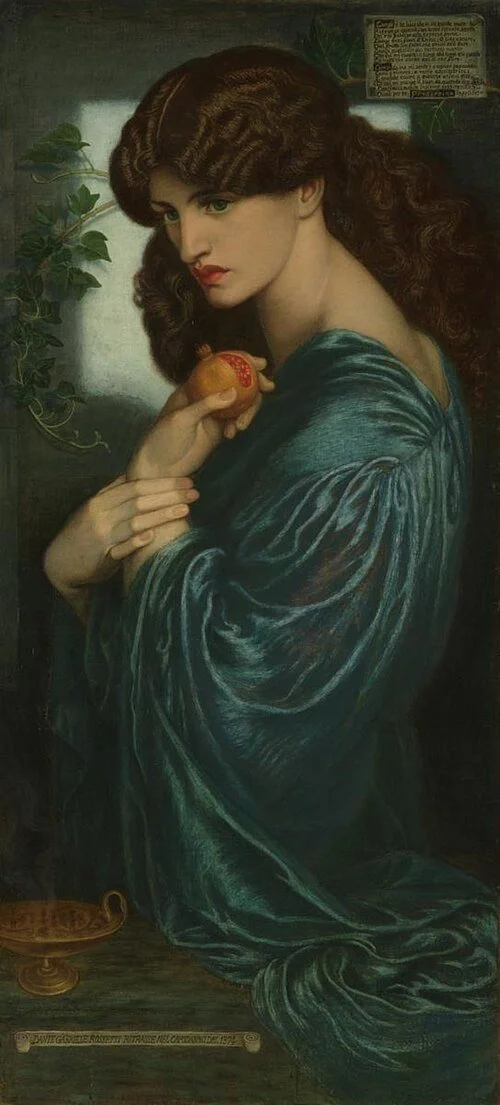
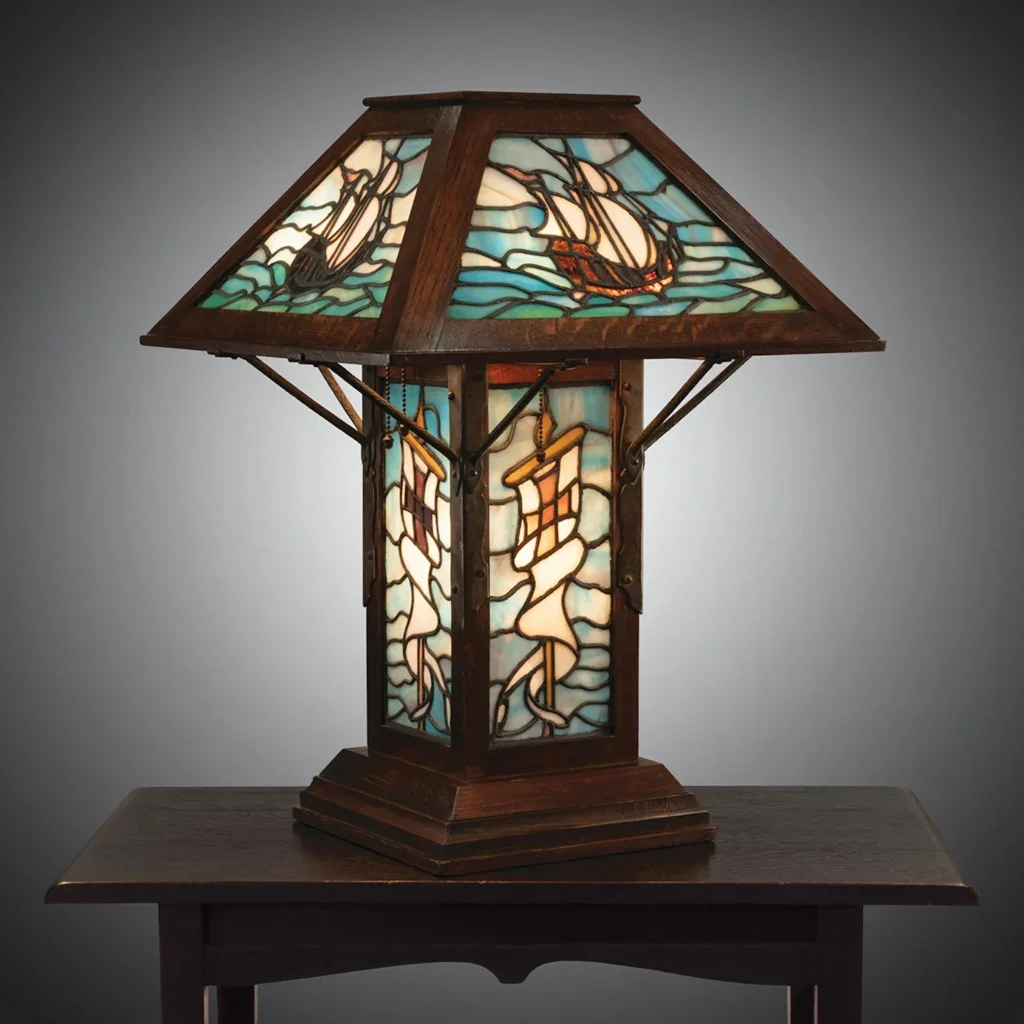
At the same time, there was an equivalent movement happening in the sphere of furniture, interior design and home decor. This movement was the Arts & Crafts movement, and it too emphasized medieval aesthetics and a return to nature. Members of the Arts & Crafts Movement advocated handmade, high-quality objects with great craftsmanship and protested against the poor quality of machine-made goods (sound familiar?).
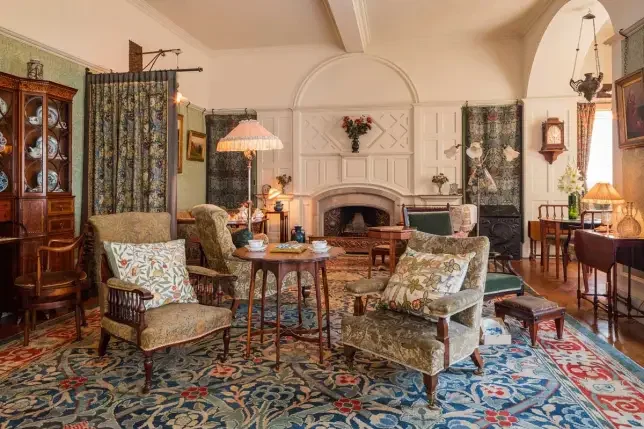
An Arts & Crafts style interior.
Below: various wall paper designs.
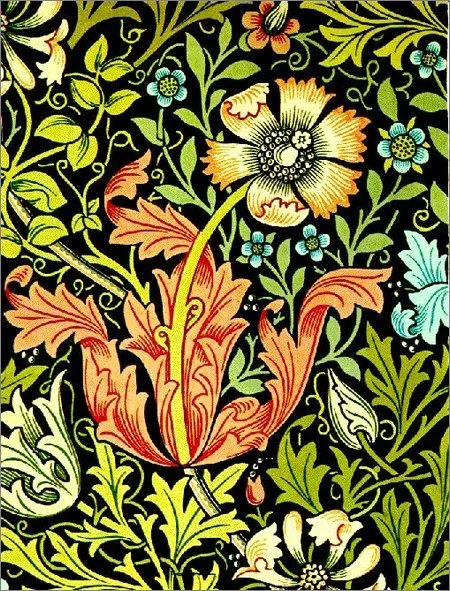
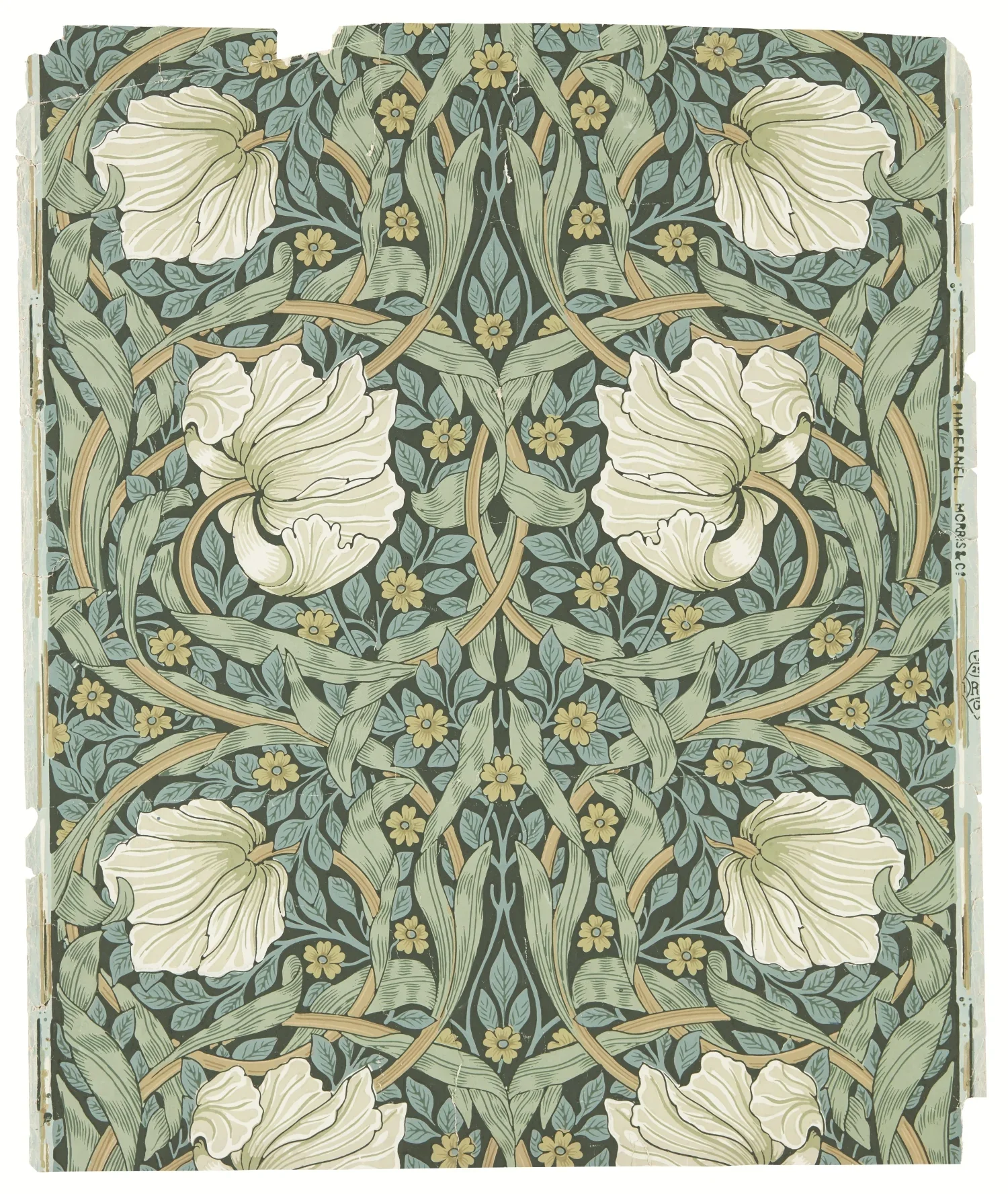
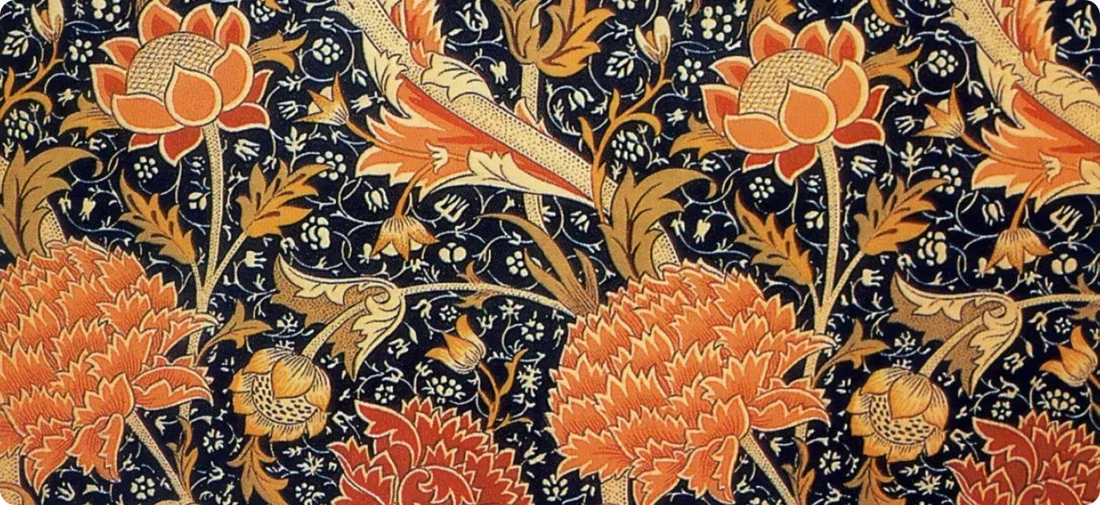
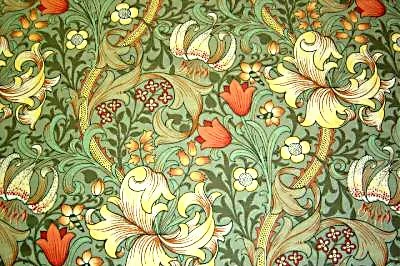
In the late 19th century, the style of Impressionism additionally emerged, further emphasizing nature and capturing its fleeting moments, like sunsets and sunrises during outdoor painting sessions. Ironically, it was the invention of industrially produced paint tubes which made Impressionism possible. Before that, artists had to grind their own pigments and make their own paints by adding oil to the pigments, storing in them in messy things like pig bladders, which made taking the paint outside impractical.
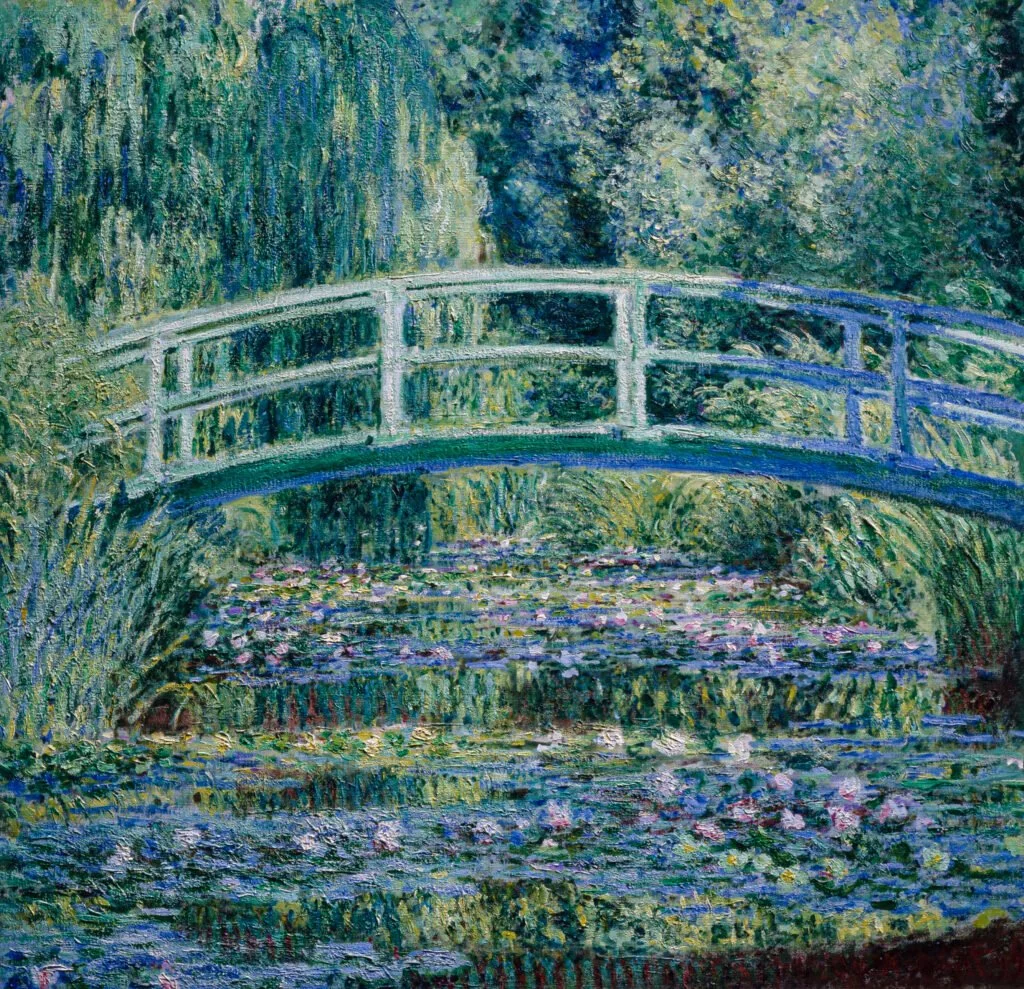
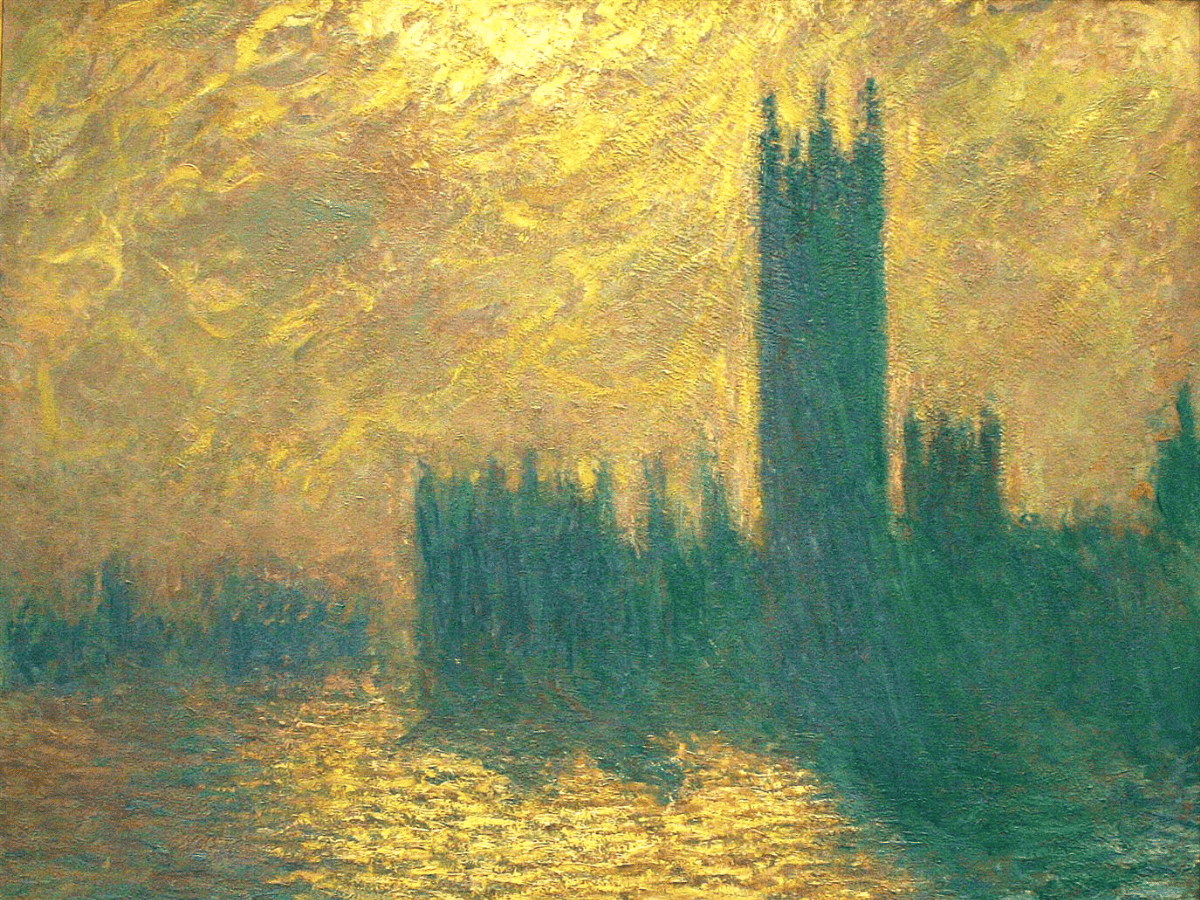
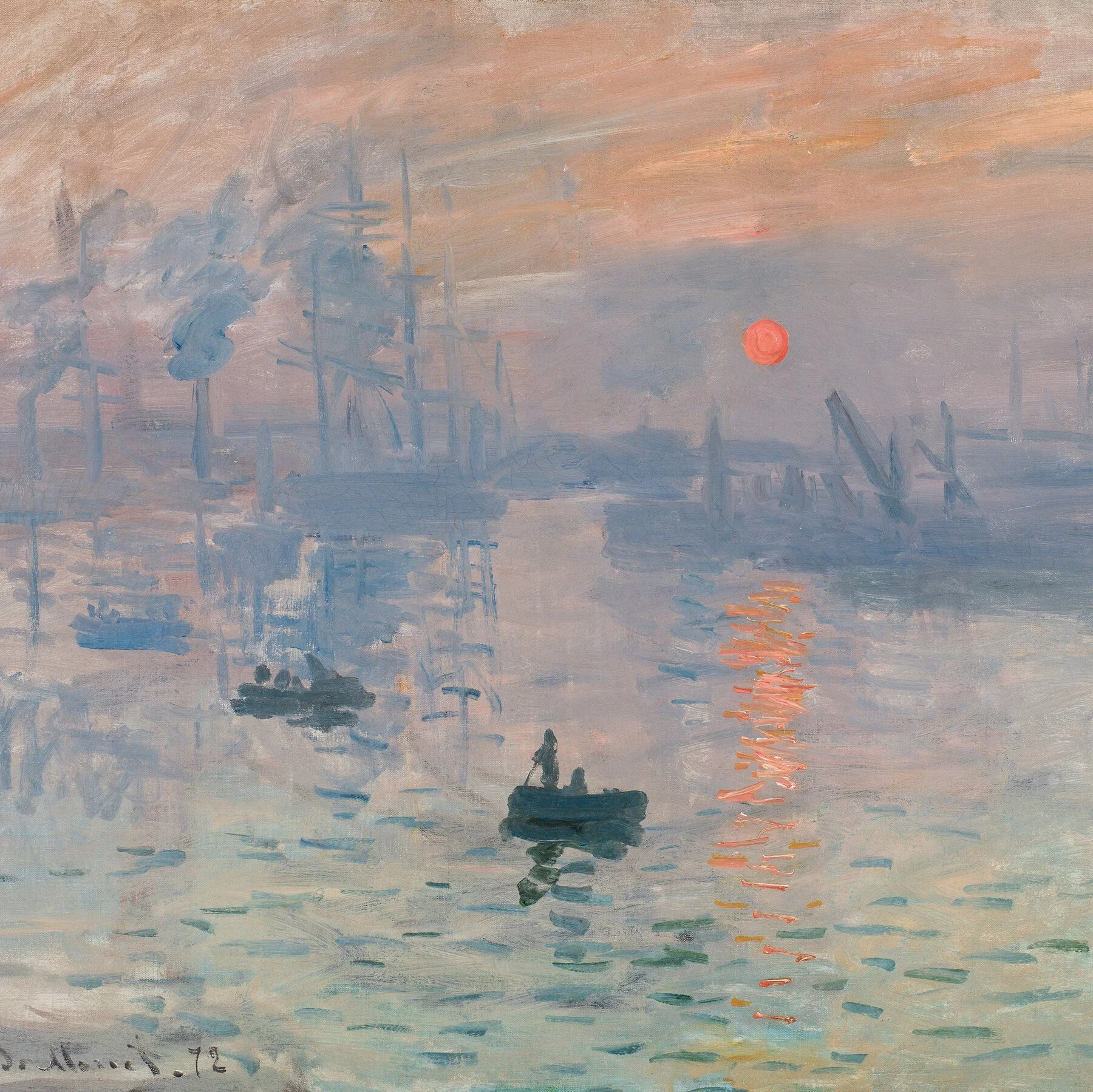
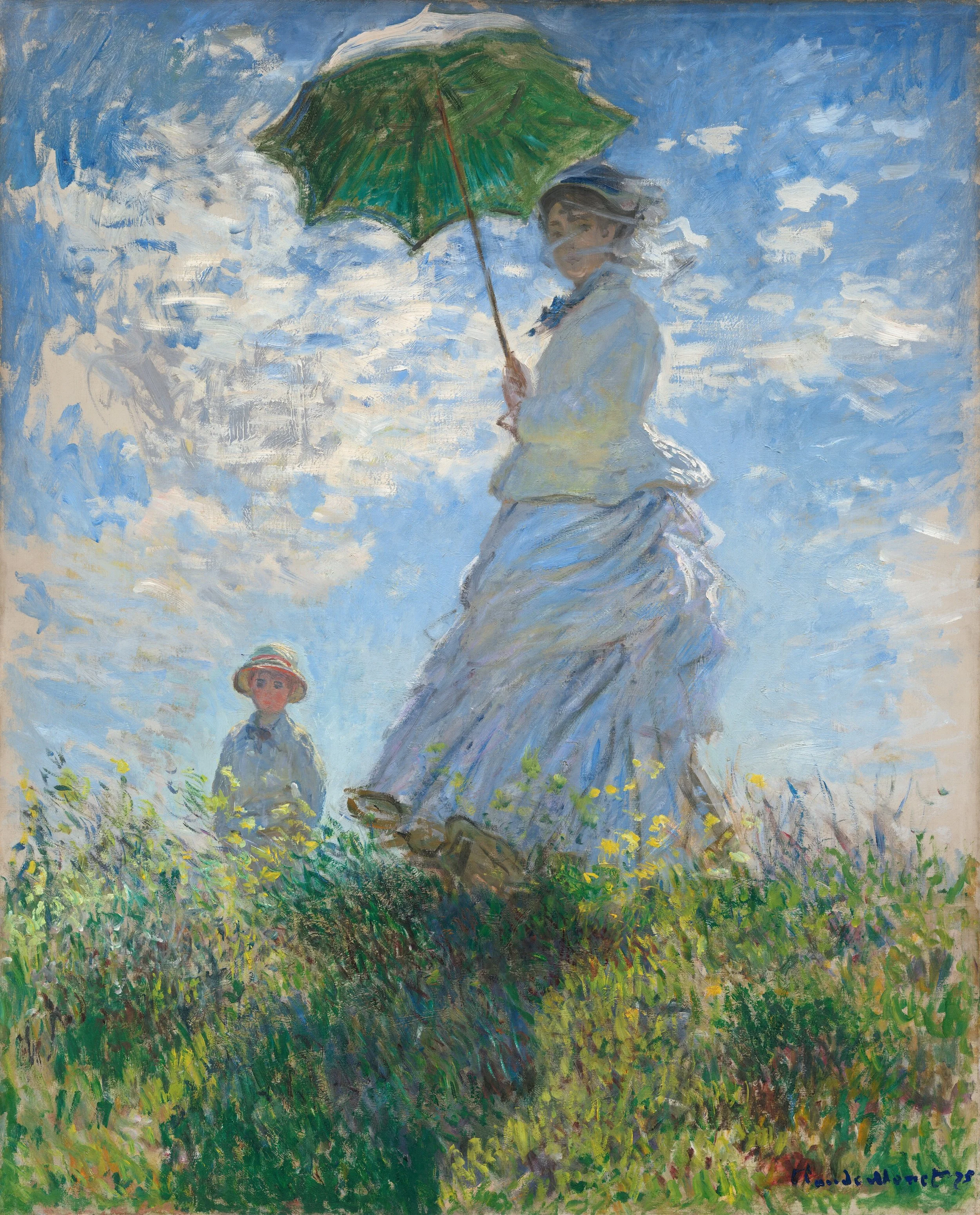
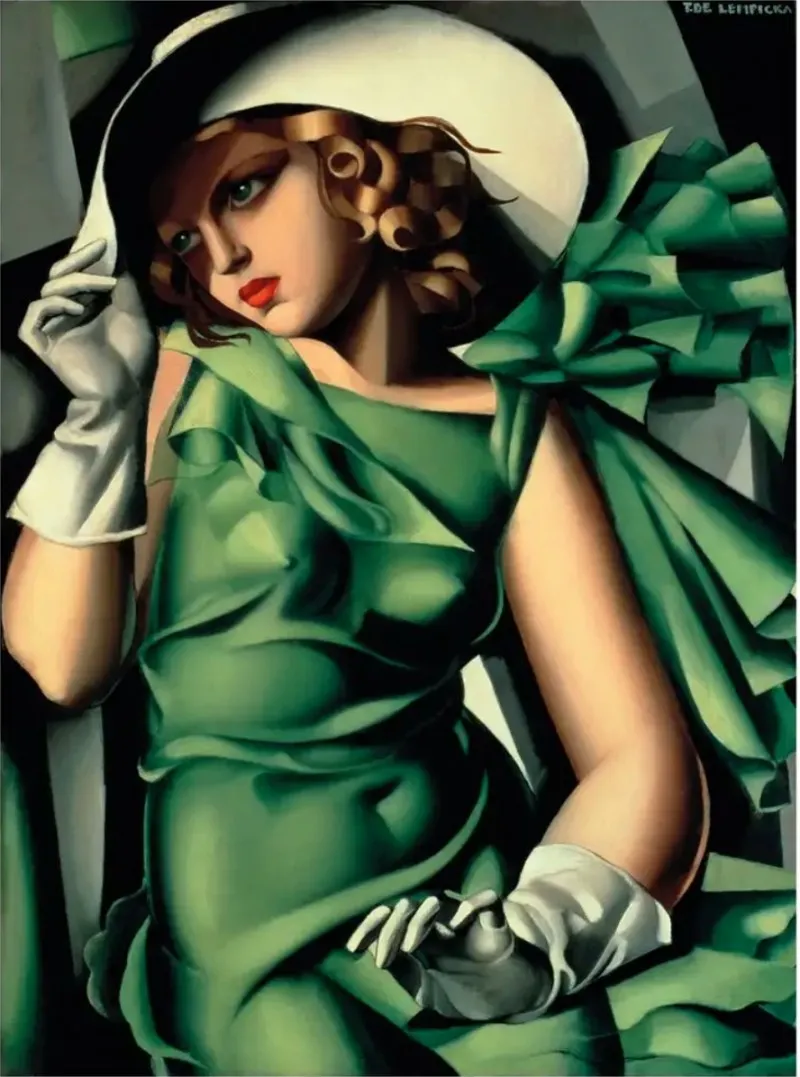
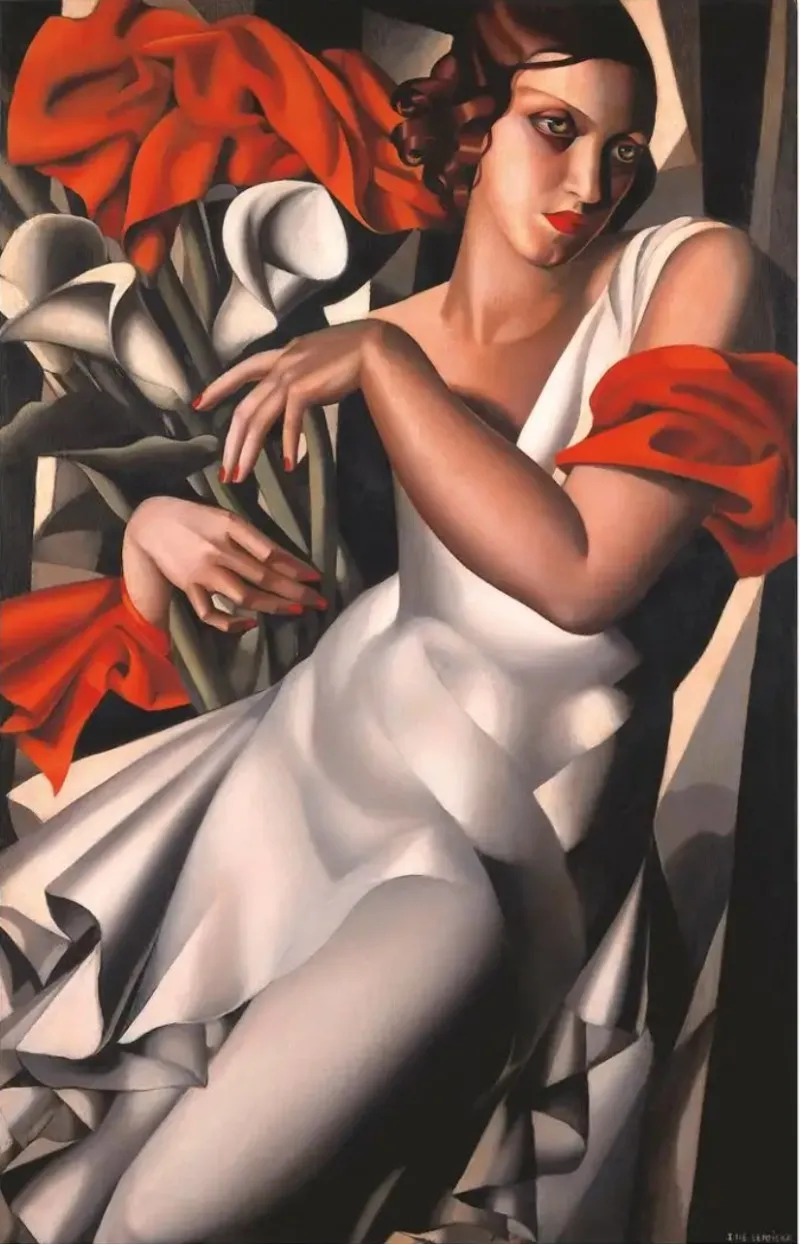
Then, when we go into the 20th century, major art movements emerged that eventually embraced modern technology with styles like Art Deco (below). That took some years though.
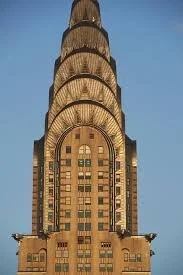
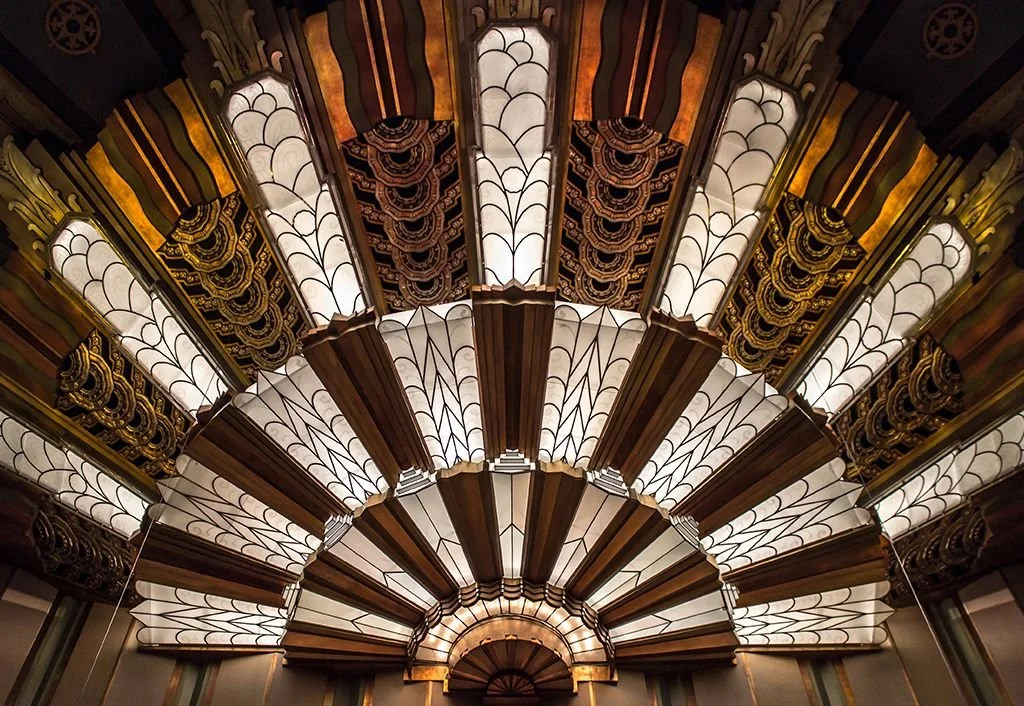
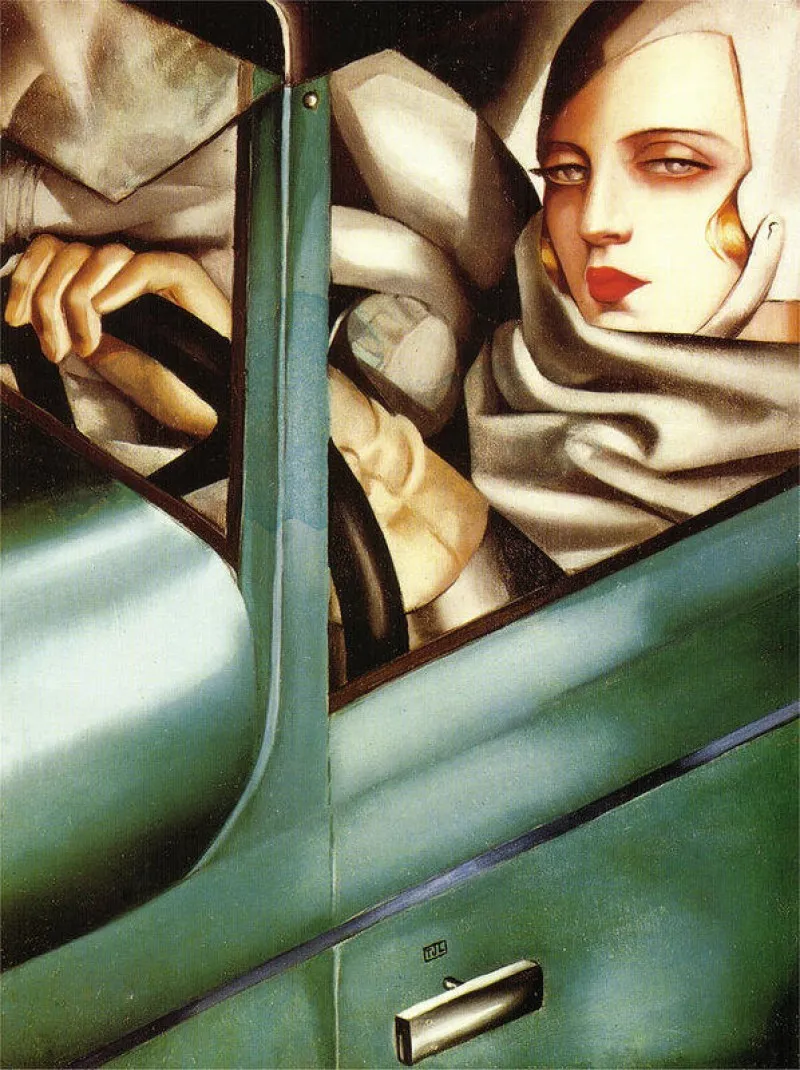
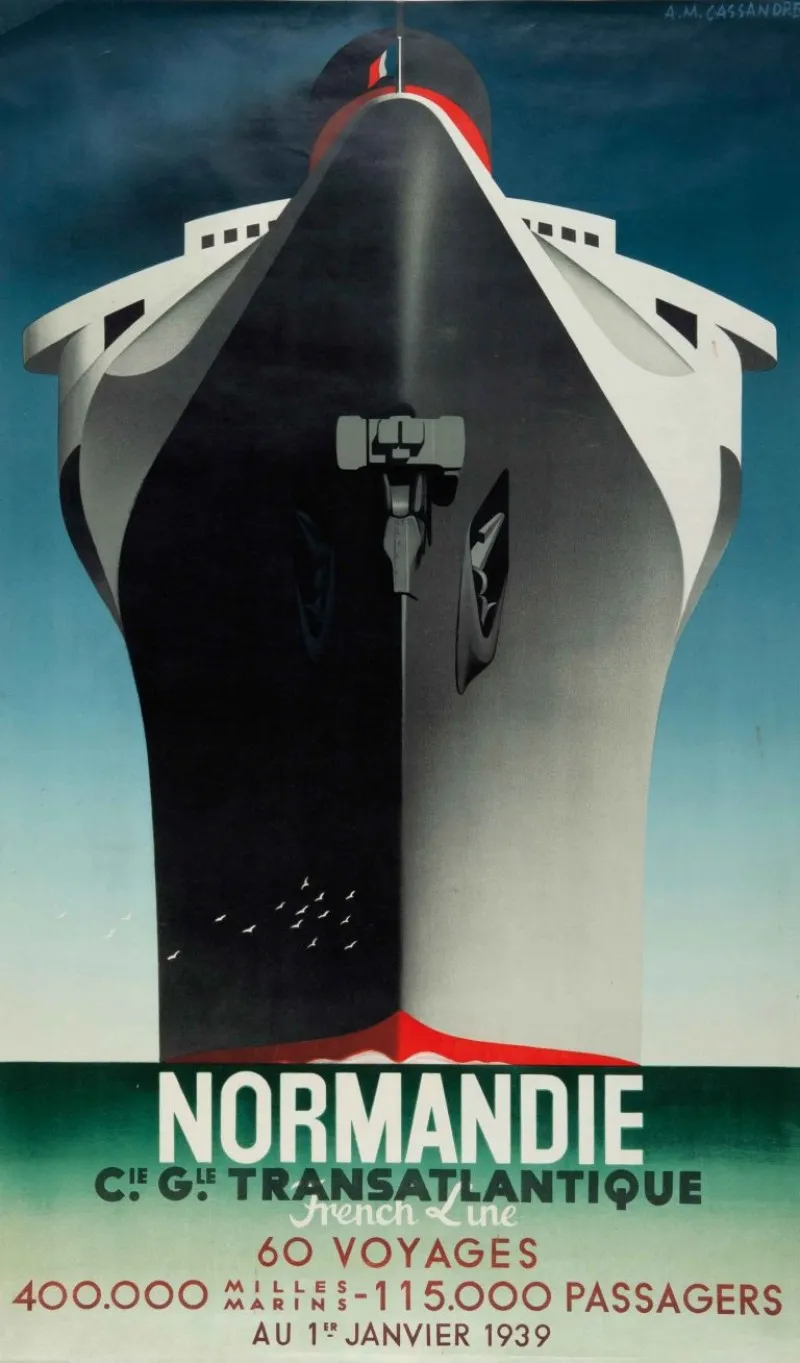
So what can we learn from all this?
Just as the percentage of people that worked in agriculture dropped to 2% during the Industrial Revolution, perhaps this time we will see a very large drop in people employed in manufacturing. It could be expected that robotics and AI in manufacturing will reduce the need for people employed in repetitive, mechanical work to almost zero. This might lead to a growing number of people working in the services industry, and if so, perhaps we may also expect a growing number of people working in the creative fields. If AI creates a higher standard of living for everyone in the future, then this bodes well for artists, because art is—economically speaking—a luxury product. (That is a big if, of course, but it could happen eventually.)
Maybe, ironically, the increased use of AI technology will actually inspire a renewed attention to nature just as happened with Romanticism and subsequent movements—at least for some time. And perhaps it will paradoxically increase demand for handmade, “real” products, just as with the Arts & Crafts movement.
At the same time, we are likely to see some art that depict the harsh realities of everyday life that some of us may encounter in an AI world, as we are already seeing in TV shows such as “Severance” and “Altered Carbon.”
And perhaps AI technology will eventually make possible new forms of art that emphasize the beauty of nature, such as intricate 3D exhibitions and even 3D holographic art.
I went to Downtown Orange the other day (the City of Orange in Orange County here in California), and they had done something very interesting to revive the city center. They have created a little area of vintage clothing stores and vintage-themed cafes and restaurants right in the center of downtown. It was very nice, and it reminded me of what is considered “special” and what people still care about once everyone can get mass-produced manufactured items dirt-cheap: “the handmade, the one-of-a-kind, the vintage, the analog, the historical.
So here are some things that we artists might do to weather the storm of the AI tidal wave (and which I will be applying myself as we move forward):
Incorporate handmade items (even if simply adding some handmade touches to an otherwise mass-produced product)
Provide limited editions and one-of-a-kind items as part of what you offer, even if you also have a second line of mass-produced items such as album CDs, written publications, art licensing, print-on-demand products, etc. Find ways to make limited editions that provide something truly special and meaningful to fans and customers
Focus on local topics and/or incorporate some kind of local element that can appeal to a specific local area (this can apply to music, writing, visual arts, etc). It is much easier to stand out in a local market than in a national or global one
Use high-end, quality materials (in the visual arts for example, there is an emerging trend of incorporating real gold and silver—in the form of gold leaf, gold paint with actual gold in it, etc)
If it naturally aligns with your creative style, incorporate and emphasize elements of nature into your work (if not, perhaps you may want to lean in the other direction and go with that Realism type of vibe)
If you are naturally avant-garde and on the cutting edge of technology, as some artists are, then you may want to lean into the possibilities of AI technology in art. I have seen some artists use AI not to create drab, predictable slop but to create truly magnificent art that would have hitherto been considered impossible. (I have one specific friend who does this, and he has not made his new AI art public yet, but when he does, I will post some because to see it is to believe it.)
Highlight the human side of what you do (even if you make use of AI in your art), and on who you are as a human that is the basis for your art. Tell people why you make art and what inspires you
Whatever you are doing online, make sure to also connect with people face to face and form partnerships in your local area (especially with venue owners). Maybe this could lead to selling your art or books in unconventional local stores or markets, playing music in unconventional places, or just to meet people who might provide friendship and real-life support if things ever start hitting the fan
Keep making art! To make a living, the amount of art you need to create on a constant basis is vastly underestimate. But even if you don’t make art for a living, make art anyway, because making art is the life breath of an artist, and without it, we cannot live.
I hope that this has given you some inspiration as to some things we can do as individuals (and especially as artists) to weather the upcoming onslaught of AI. AI is not alive and can therefore never replace human beings. I think it can bring some very useful things to our lives if we keep it in its appropriate place and never forget that for some things, such as companionship, friendship and true accomplishment, we must step outside out door and actually talk to a real human being.
Keep swinging,